
One of the most efficient means for getting a perfectly even coat on different types of materials is spray painting. In cases from automobile parts, machinery, to pieces of furniture and other custom jobs, the technique of spray painting can achieve great results, provided the right conditions for doing so are met. One of the key points in the process is the environment where painting occurs.
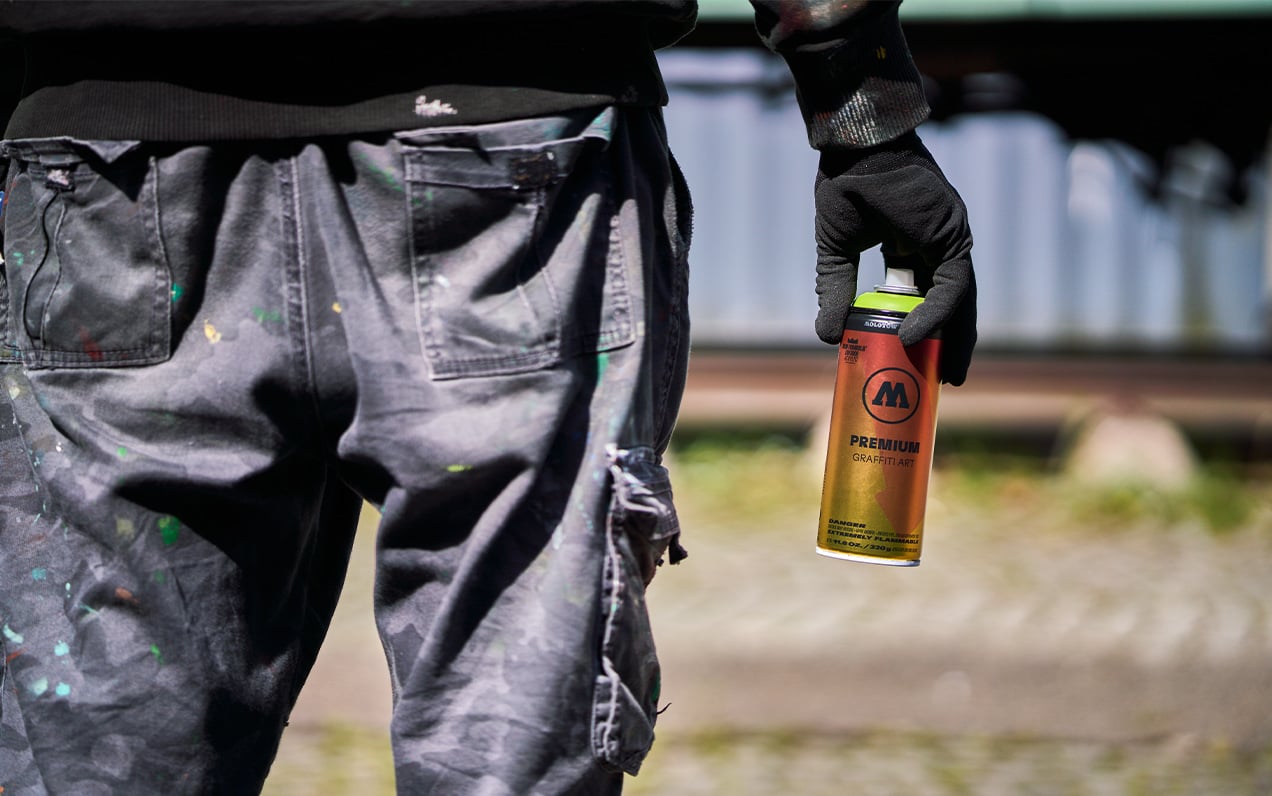
When speaking about indoor versus outdoor painting, the answer depends greatly on a particular situation. There are many factors to be considered, such as material properties, environmental influences and many others that may change when you switch environments. It’s best to keep these points in mind before starting any work.
Indoor Spray Painting Setup
The most advantageous thing about indoor spray painting is that it can provide maximum control over conditions. Indoor spraying eliminates external factors such as wind, rainfall, temperature variations, or even dust and ensures more precise and even results.
In order to create favourable conditions for spray painting, one should prepare the workspace in advance. Firstly, it is necessary to protect all surfaces that are not going to be painted with the help of special materials such as plastic sheets. Secondly, one has to organise proper ventilation, which will help filter out particles in the air and facilitate the spray painting process.
High-quality lighting enables you to see all details and identify possible flaws in the process. In case of inadequate lighting, one might miss some spots and thus leave them unpainted. Poor lighting will make it difficult to notice possible flaws, such as paint streaks that are formed during the painting.
Another benefit of indoor spray painting is that one can better control conditions in the workplace. As a rule, many paints can work only at certain temperatures and in a certain humidity range. If one creates a comfortable environment in his or her workshop, it becomes possible to achieve more precise results in terms of coating thickness.
Indoor spray painting enables you to avoid delays due to bad weather because you can paint regardless of the season. Still, you should remember that creating a proper environment for indoor spray painting requires much effort. Organising proper ventilation, wearing protective masks, etc.
Outdoor Spray Painting Advantages
Outdoor spraying can still be an excellent choice for a variety of tasks because of roominess, freedom of movement, and better air flow. When you need to deal with big pieces of material that you cannot carry inside your workshop, outdoor painting may be your best bet. There will be fewer restrictions regarding the available working space and equipment.
The biggest benefit of outdoor painting includes natural ventilation. In open-air spaces, paint vapour will not gather around you; it can go everywhere it wants, which will help to lower the level of toxic substances around you. You will feel much more comfortable performing large-scale painting works under these conditions.
An outdoor location can be very helpful when you have to work with a piece of furniture or big equipment, with automotive parts, fences, metal constructions, and other large objects. The presence of extra space will give you more freedom of movement, and it will be easy to keep your painting angle constant.
It is necessary to follow some outdoor painting tips if you want to achieve outstanding results. First of all, it would be great to choose the right weather conditions. You need a calm day when there will be no strong winds, which will cause unnecessary overspray or landing on the paint of dust and dirt.
You also need to know the temperature and humidity of your environment. Some paints require particular weather conditions in order to work properly. You will find such information in the instructions attached by the manufacturer of your product.
Choosing the right time of day is another important thing to do if you wish to get perfect results. Try to avoid periods with intense solar activity because the high temperature can negatively affect your paint.
At the same time, it is hard to predict the weather conditions when you perform outdoor painting work. You can face many problems because of unpredictable changes in your environment.
Safety Considerations
Regardless of whether spray painting is done indoors or outdoors, the first thing that needs to be considered is safety. The reason being paint products emit various particles and fumes that call for the application of necessary precautions to ensure the well-being of the painter and the surrounding areas.
Personal safety gear comes in handy when spray painting. For instance, respirators meant for paint applications are recommended because they minimise the amount of inhalation of particles and vapours. Gloves and other protective wear will shield the painter against skin contamination. Protective eyewear would come in handy especially when using high-pressure cans.
Ventilation goes a long way in ensuring the health of painters remains intact. For indoor paintings, airflow must be taken into account in order to avoid the accumulation of paint fumes in the air. Outdoor painters are advised to be on the lookout for any prevailing winds.
In addition to wearing protective gear, fire prevention is another important issue to look out for. Most paint materials have flammable components that can result in dangerous fires. Painters must keep their flammable substances at a distance from potential ignition sources such as flames, sparks, welding operations and so forth.
Keeping the workplace neat and organised helps a lot. This not only improves safety by minimising trips and falls but also enables a smoother painting job. Keeping the environment dust-free ensures that there is maximum absorption of paint and, therefore better results.
Lastly, painters should adhere to instructions provided by manufacturers with regard to the application process, drying periods, storage and disposal of paints.
Choosing the Right Environment
In order to select the optimal spray painting location, it is necessary to take into consideration various issues, such as the size of the surface to be covered, requirements for the finished result, available equipment, and environmental conditions. Both indoor and outdoor spaces can serve as good choices for spray painting as long as all prerequisites are provided beforehand.
Indoor spaces seem to be more suitable for those cases in which one needs to provide maximum control over temperature and humidity levels, as well as ensure consistency of the finishing work performed. If flawless results are expected, if multiple layers of paint should be applied to obtain the desired coating, or if it is impossible to avoid adverse weather, then an indoor area will be the best option.
Outdoor spraying seems to be more advantageous when larger surfaces require coverage, as the presence of enough space is essential for providing high-quality results. If the weather conditions outside seem to be favourable, then this space can be used to complete the task.
Both environments possess their advantages; therefore, the decision about the optimal place should be made after considering all aspects involved.