
Spray paint art is a form of visual creativity in which artists use spray paint for the creation of images, patterns, and textures on various materials.
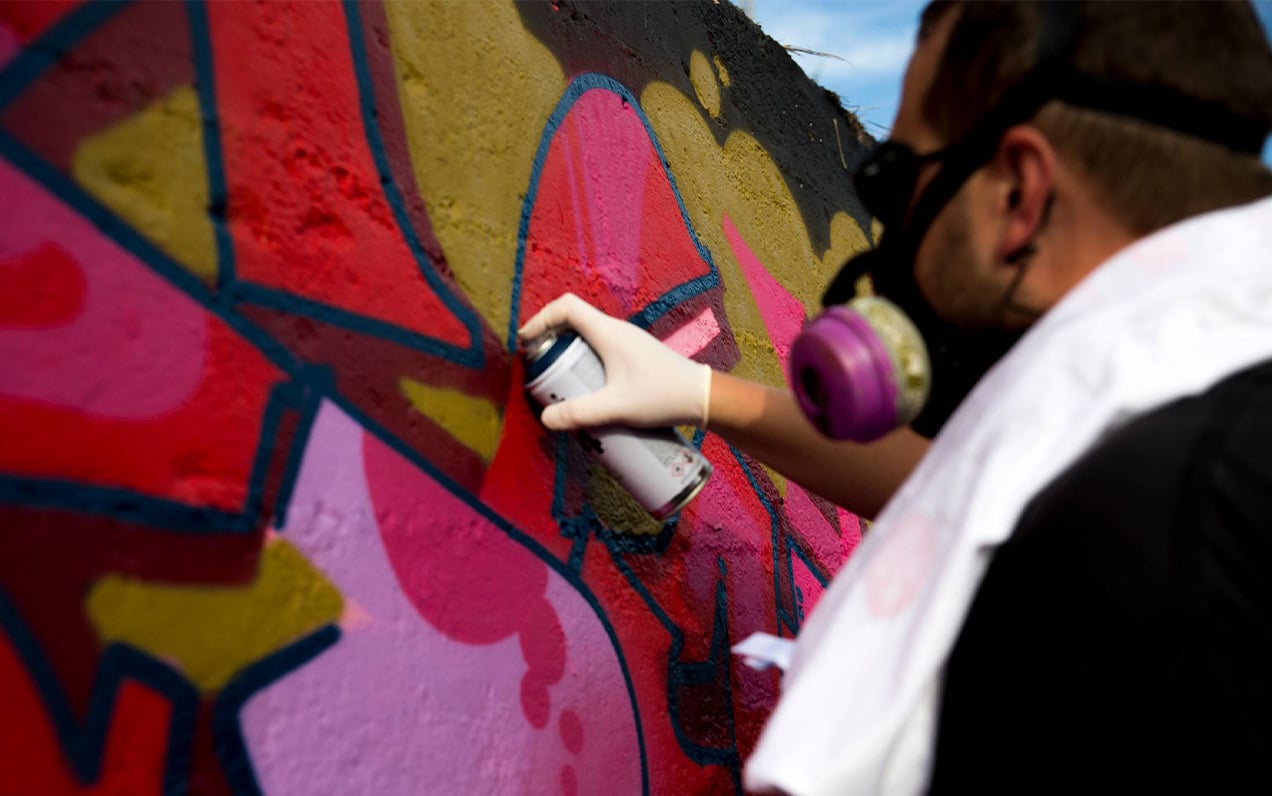
Although it has often been linked with graffiti and street culture, it has evolved into a respectable form of art practised by both hobby artists and professionals. It ranges from abstract works of art involving shades of colour to realistic images of landscapes.
The first reason why a beginner in spray paint art will find it so interesting is its simplicity. It does not require elaborate equipment and accessories like those used in conventional painting. This makes it a great starting point for anyone interested in discovering the basics of spray painting.
The second reason why it stands out from the rest is its flexibility. It can be applied to a variety of materials like canvas, wood, metal, and even objects. This provides the artist with an endless platform for self-expression as they gain more skills in the basics of spray painting for beginners.
Tools You Need to Start
Choosing the Right Spray Paint
When just starting out, the quality of the spray paint will definitely have a big impact on your experience and the end results. Good quality paint will give a smooth finish, consistent colours, and more control, and this is obviously important when just starting out as a beginner, as you will be learning and getting the hang of things. Lower-quality paint might have a tendency to spatter and sometimes clog up, which will interfere with your flow and learning process.
You will not necessarily need a lot of different colours when just starting out as a beginner in the world of spray paint art. You will actually benefit more by just having a few basic colours to start off with and getting a feel for how colours work together.
Understanding Caps and Control
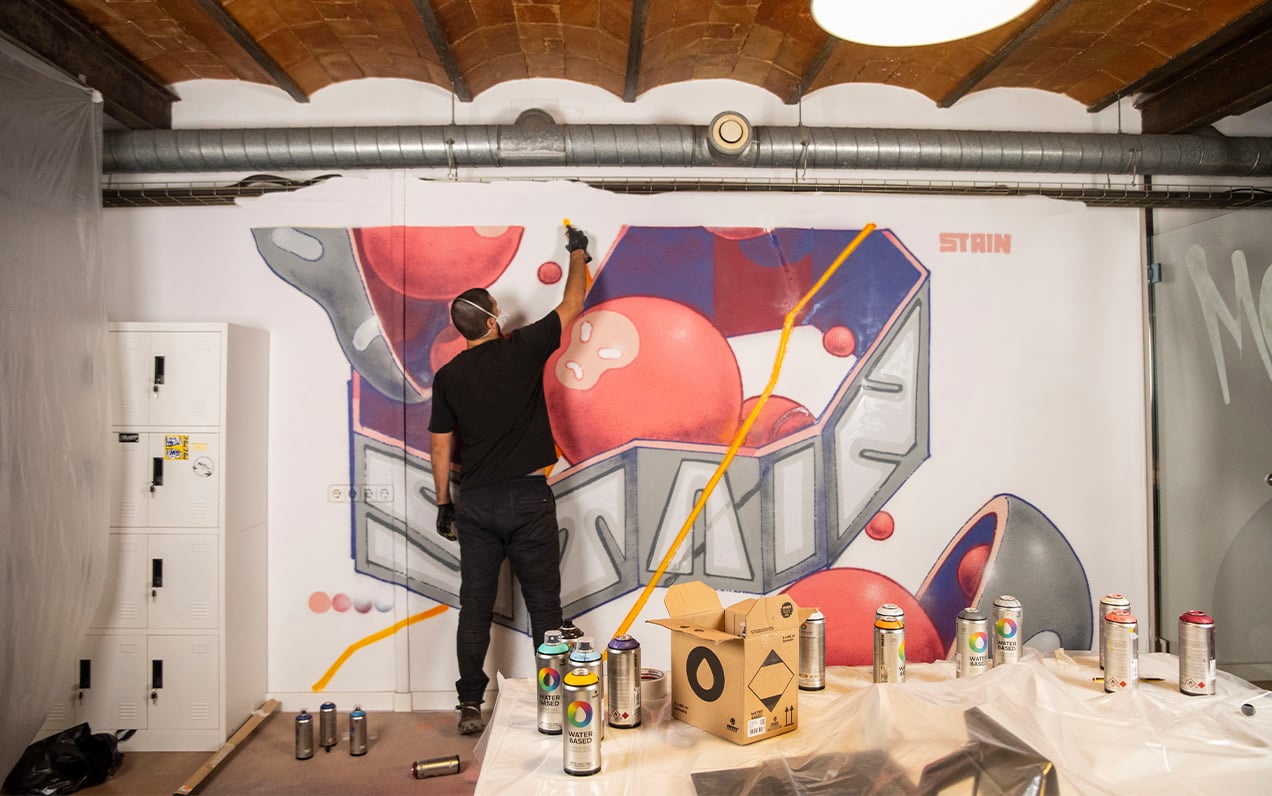
Spray caps or nozzles are an essential factor in the way your paint spray is utilised. Different spray caps can be used to get various effects. These effects can range from thin lines to broad sprays. Learning to use the spray caps and the effects they can be used to get will help you be more creative.
Another factor in spray paint control is the way the spray can itself is utilised. The pressure applied to the can, the speed at which the can is moved, and the distance from the surface can all affect the final outcome. Learning this takes time, but it is an essential factor in moving past basic beginner spray paint techniques.
Surfaces and Workspace
The surface you choose to paint on can be very significant in your overall outcome, especially in the early days. A smooth surface, such as canvas boards or thick paper, is the best surface for beginners. As you become more skilled in the craft, you can then start looking at using different types of surfaces that can give you different textures.
Another factor that is significant in the process is your workspace. It is recommended that you be in a well-ventilated area when using the spray paint. It is recommended that the best place is outdoors. It is worth noting that the process will be more enjoyable if you spend time creating a comfortable environment. By doing so, you will be able to concentrate fully on learning how to start spray painting.
One of the best spray paint art tips in the early days is the need to practice first. It is worth noting that the more you practice, the more controlled your artwork will be.
Easy First Projects
Practising Colour Blending
One of the best things to do when you’re first starting out with spray paint art is to practice your skills with simple gradient backgrounds. By doing this, you can learn the basics of colour mixing and become more comfortable with the amount of spray you’re using. By mixing your colours together in gradual steps, you can create smooth blends that will give your artwork a professional finish.
Another advantage of spending time working with blending is that it will help you become more comfortable with movement and timing, two things that are vital in the creation of your artwork. Once you’ve mastered the basics of gradients, you can more easily apply them to more intricate designs.
Creating Silhouettes
Silhouette designs are another method for creating interesting artwork without having to be good at art. Simply arrange objects or stencils on your artwork and spray around them to achieve interesting contrasts.
This method will be your introduction to negative space, which will open your eyes to different ways of looking at art. This method will also allow you to practice your skills in layering artwork, as you can add background colours before revealing your object. This is a great method for those learning how to spray paint for beginners.
Exploring Space-Themed Art
Space-inspired art is also very popular among beginners who are trying to master their skills with beginner spray paint. The art style is often decorated with images of planets, stars, and even textured skies, giving you more opportunities to practice blending and creating visual effects.
What makes this art style appealing is its ability to accommodate small mistakes, as it actually adds to its beauty. This makes it perfect for beginners who are still getting the hang of things. As you continue with more of these art pieces, you will find yourself more confident and able to add your own touches to them.
As you continue to explore your options on how to start with spray painting, it is essential to remember to repeat art pieces. This will help you master your skills and monitor your progress over time.
Mistakes to Avoid
Applying Too Much Paint
One of the most common mistakes beginners make is applying too much paint in a single pass. While it might seem like a quicker way to achieve full coverage, it often leads to drips, uneven textures, and a lack of control. Spray paint works best when applied in light, gradual layers that build up over time.
Learning to be patient with your application will give you a cleaner, more professional finish and make it easier to correct any mistakes along the way.
Rushing the Process
Although spray paint is known for its speed, rushing through your work can cause problems. Applying new layers before the previous ones have dried can result in unwanted blending or muddy colours, which can take away from the overall clarity of your design.
Taking a little extra time between layers allows you to maintain control and ensures that each stage of your artwork contributes positively to the final result.
Poor Distance Control
Controlling the distance between the can and your surface is essential for achieving consistent results. Clean, sharp outlines can be achieved by holding the can very close to the surface, but without swift movement, this can increase the risk of drips. Spraying from too far away can produce a patchy, uneven finish.
Developing a feel for the right distance takes practice, but it is one of the most important skills to master as you move beyond the basics of beginner spray paint techniques.
Skipping Preparation
A key spray paint art tip is to never overlook preparation. Taking the time to clean your surface, plan your design, and test your materials can make a significant difference to the outcome. Even a small amount of preparation can help you avoid common issues and improve the overall quality of your work.
Losing Confidence Too Early
It is completely normal for early attempts to fall short of your expectations, and many beginners feel discouraged at this stage. However, every spray paint art beginner improves through practice, and each piece you create helps you build valuable experience.
Learning how to start spray painting is a gradual process that requires patience and persistence. By staying consistent and open to experimentation, you will continue to develop your skills, gain confidence, and create work that reflects your own unique style.